
From Resume to Revenue: How to Use Career Skills to Launch Your Startup

Feb 23, 2026
|
12 min read
Discover how to turn your existing career skills into entrepreneurial assets and build a profitable startup on the foundation of your professional experience.
Most people think launching a startup requires a completely different skill set than working a job. They imagine founders as risk-takers with special training, secret knowledge, or access to resources they do not have.
In reality, many of the skills needed to start a business are the same ones professionals use every day at work.
If you have ever managed a project, solved a problem under pressure, handled clients, analyzed data, trained coworkers, or improved a process, you have already practiced core entrepreneurial skills. The difference is not capability. It is awareness.
The transition from resume to revenue often begins when someone realizes their experience is not just employable—it is valuable in the marketplace.
Your career has already taught you how to communicate clearly, meet deadlines, adapt to change, and deliver results. Those are not just job skills. They are business skills.
This article will show you how to recognize the startup-ready abilities you already have, how to apply them strategically, and how to turn your professional background into a foundation for launching something of your own.
The Hidden Entrepreneurial Skills Lurking On Your Resume
Most professionals underestimate their business savvy and assume being an entrepreneur is a job for a limited group of movers and shakers.
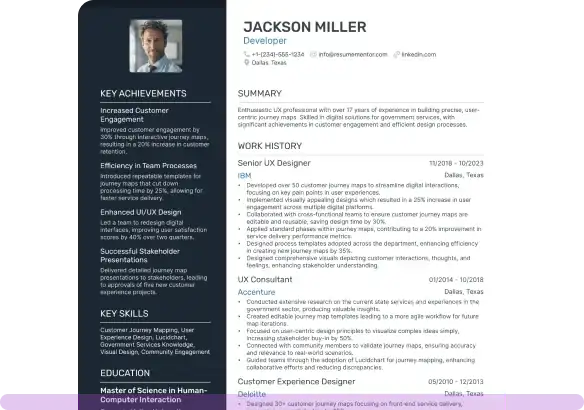
But think about it through this lens: your CV is not just a record of jobs. It is a blueprint of capabilities.
Every role you have held has trained you to be who you are today... a thinker, a leader, a doer, a dealmaker, and a negotiator.
Common career skills that translate directly into startup strengths include:
- Project management → Business execution Constructing timelines, organizing workflows, and smashing deadlines mirror what entrepreneurs do daily.
- Client communication → Sales and marketing If you have ever explained an idea clearly, crushed objections, or built relationships, you already understand the delicate art of persuasion.
- Problem solving → Product development Pinpointing issues and devising solutions is the foundation of innovation.
- Data analysis → Strategy decisions Reading metrics and drawing conclusions helps founders make smart moves... while dodging guesswork.
- Team collaboration → Leadership Working cross-functionally prepares you to be a team leader... as well as vendors, investors, partners, and other key stakeholders.
Realize your abilities are not ordinary. And there’s a good chance you are already more prepared than you think.
It’s Time To Think Like a Founder
One of the biggest shifts between employment and entrepreneurship is your perspective.
Employees are trained to execute tasks. Founders are charged with delivering on outcomes. The same abilities apply, but the way you use them changes.
As a worker, you may have been assigned projects, given goals, and told individual priorities. Conversely, when you’re leading a startup, you set the targets. Sure, that can feel intimidating—maybe even scary—at first, but it is also freeing. You are no longer limited to solving someone else’s problem. You’re the boss now, so you get to choose which problems are worth solving.
This mindset shift starts with asking some varied questions:
- What problems do I understand better than most people?
- What challenges have I faced (and solved) repeatedly in my career?
- What do people already come to me for help with?
- Where do I see inefficiencies others overlook?
When you start viewing your career through this lens, your work history stops looking like a boring job description and becomes a catalog of opportunities.
Test Your Idea Before Taking on Risk
One of the most savvy things you can do as an aspiring founder is not rush the process. That’s where people get themselves in trouble.
If you’re like most people, you probably think that starting a new venture means you need to immediately quit your job, pony up some cash, and go “all in.” However, the strongest startups usually begin as small experiments. Testing your idea first controls risk, builds confidence, and gives you real-world feedback before you make any life-altering decisions (or sink money into something that isn’t viable).
You do not need a perfect business plan to start. You need proof that someone actually wants what you are offering.
Simple ways to validate an idea early:
- Offer your service to a small group first.
- Ask for feedback from people in your industry.
- Pre-sell before fully building.
- Run a small pilot version.
- Measure interest, not compliments.
Remember, flattery alone can be misleading. Interest backed by action, such as signups, inquiries, or purchases, is what matters most.
Your job experience actually gives you an advantage here. Because you already understand professional environments, you likely know where to find your first testers, beta users, or early clients. Former colleagues, industry peers, and professional communities can become your first proving ground.
Why Your Business Foundation Matters Once You Start Generating Cash
The moment your idea begins generating income, it stops being just a side hustle. It becomes a business.
Earning money introduces practical realities that are non-negotiable, including tax reporting, payment processing requirements, contracts, liability protection, and platform verification. This is where your business foundation matters just as much as your skills or idea.
One of the most important early decisions is choosing a formal business structure. Many founders choose to form a Limited Liability Company (LLC) because it separates personal and business liability while giving the company a recognized legal identity. Think of it this way: reviewing something like a guide to starting an LLC in Wyoming is not late-night bedtime reading designed to put you to sleep; rather, it is part of building a structure that supports your growth as you transition from professional to entrepreneur.
Alongside structure, two other elements quickly become essential:
- An Employer Identification Number (EIN) gives your business its own financial identity so you can open accounts, process payments, and operate professionally.
- A registered agent ensures you receive official legal and compliance notices, so nothing important is missed.
These steps signal that your business is legitimate, organized, and ready to operate at a higher level.
Turning Your Network Into Your First Revenue Engine
One of the biggest advantages you already have from your former career are the people you know... namely, your network.
Most new founders assume they need a large audience, a big social media following, or a complex (and expensive) marketing strategy before they can make their first sale. Truth be told, many successful businesses start by serving people who are already in your Circle of Influence (COI).
Your COI can include:
- Former coworkers
- Managers or supervisors
- Clients you worked with
- Industry peers
- Professional groups or associations
- Mentors and contacts
These people already understand your skills—and they know your work ethic and have trust in you. That’s absolutely huge because trust dramatically shortens the path from introduction to opportunity.
When launching a business, your first customers are often not strangers. They are people who already believe in you.
Your network is not just a list of contacts. It is your first business asset.
Building Systems Early So Your Business Can Actually Grow
One difference between a side hustle and an actual company is systems.
Many startup leaders focus only on getting their first customer. Yeah, of course, that’s important. But what determines long-term staying power is what happens after that first sale. If you cannot repeat your process smoothly, growth becomes a minefield of stress rather than freeing and exciting.
Systems are what make a business sustainable. They allow you to deliver consistent results, save time, and avoid reinventing the wheel every time you work with someone new.
Early systems do not need to be complicated. They just need to be clear.
Simple systems that help new businesses scale include:
- A repeatable onboarding process for clients or customers
- Templates for emails, proposals, or workflows
- Clear pricing structures
- Documented steps for delivering your product or service
- Organized tracking for tasks and deadlines
Talent may help you get your idea off the ground. Systems are what help you scale.
Your Experience is A Competitive Advantage
Launching a business feels like taking a leap into the great unknown. But if you play your cards right, it is usually a step built on years of preparation. Your career has already trained you to solve problems, deliver results, communicate clearly, and adapt under pressure. Those are not just workplace traits. They are entrepreneurial assets.
The transition from employee to founder is not about becoming someone new. It is about recognizing the value of who you already are and applying your skills in a new arena. As Apple co-founder Steve Jobs famously said, "The people who are crazy enough to think they can change the world are the ones who do.”
You don’t need permission to begin. You already have proof you can deliver value. Turning your resume into revenue is about starting from experience—and building forward from there.
Related Articles

Continue Reading
Check more recommended readings to get the job of your dreams.
Resume
Resources
Tools
© 2026. All rights reserved.
Made with love by people who care.