
LinkedIn vs Resume: What Recruiters Are Really Looking At First

Dec 15, 2025
|
12 min read
An inside look at how recruiters evaluate LinkedIn profiles and resumes—and how to optimize both to make a stronger first impression.
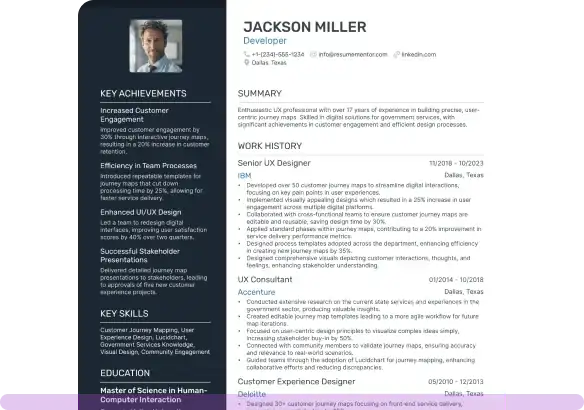
Every job seeker asks the same question at some point. When a recruiter gets my application, what do they look at first? The polished resume I spent hours perfecting, or the LinkedIn profile I update whenever I remember?
The truth is, both matter more than ever, but not in the same way. The resume still acts as your formal pitch, a concise record of your experience and qualifications. LinkedIn, however, has become the living, breathing version of that pitch. It adds context, social proof, and a personal voice that paper cannot show.
Recruiters don’t choose one over the other. They use both, and they look for different signals in each. One shows whether you meet the job’s basic requirements. The other shows how you think, connect, and communicate in a professional space.
Let’s take a closer look at how these two assets interact in a recruitment context, and how you can optimize your resume and LinkedIn presence to improve job-hunting success.

How Recruiters Use Each Platform
It’s a given that recruiters approach LinkedIn profiles and resumes differently, but what exactly defines this divergence in strategy?
Here’s an overview of each:
When recruiters search for talent, LinkedIn is their open field. If you’re struggling to find a job, they’ll come to you. They use filters to find professionals with the right titles, skills, and connections. It is often their first stop before a resume even comes into play. A strong profile photo, clear headline, and concise summary give a sense of who you are in seconds.
Beyond the basics, recruiters scan your activity. They notice what you comment on, the posts you share, and how you engage with your industry. Your network size and mutual connections also add weight, offering a quick credibility check.
In this stage, personality matters. Recruiters look for signals of curiosity, communication, and consistency. LinkedIn gives them a snapshot of how you might fit within a team, not just whether you can do the job.
Resume
Once interest forms, the resume becomes the verification tool. It goes through applicant tracking systems that filter for keywords, job titles, and quantifiable achievements. The document provides structure, showing a clear timeline of your career, education, and measurable results.
Recruiters rely on resumes during the final evaluation stage. When you apply directly to a posting, they often see your resume first, then check LinkedIn for depth. But when they find you through search or referral, the order flips. LinkedIn draws them in, and the resume confirms their interest.
What Recruiters Look For on LinkedIn
A recruiter’s first glance at your LinkedIn profile is quick, but it’s deliberate. They scan for completeness, clarity, and credibility. A profile that feels alive stands out from the static ones that look like forgotten pages.
Eye-catching aspects include:
- A professional photo that looks current and approachable
- A headline that describes your work clearly, not just your job title
- A well-written summary drafted in a natural voice, filled with keywords that match your field
- Endorsements and recommendations that reflect how others see your work
- Recent posts or shared content that show genuine interest in your industry
Consistency between LinkedIn and your resume is crucial. If dates, job titles, or skills don’t align, it signals carelessness. Recruiters often double-check these details to test accuracy.
Growth marketer Luca Tagliaferro, known for transparent personal branding, demonstrates how to do it right. His LinkedIn presence aligns perfectly with his website and case studies, creating a cohesive professional identity. It shows that branding isn’t just about style. It’s about trust built through consistency and authenticity.
This authenticity must also extend to other areas of your online presence. Thankfully, it’s simple to achieve consistency across platforms with modern tools. For instance, a personalized video platform like Idomoo makes it a breeze to create clips that can accompany your social presence. Building your personal brand to improve employability is just a few clicks away.
What Recruiters Look For on a Resume
Recruiters approach resumes the way auditors review a financial statement. They want precision, structure, and proof that the applicant’s claims hold up under scrutiny. Every word and number counts.
A strong resume includes:
- Achievements written with action verbs and backed by measurable results
- A clean, logical layout that’s easy to scan in under 10 seconds
- Consistent job titles, dates, and responsibilities that match your LinkedIn profile
- Clear formatting that helps important details stand out without distractions
Visual design plays a bigger role than many realize. Resume templates offer a simple way to keep a resume neat and readable, avoiding clutter or inconsistent spacing. It’s like when you choose to use InvoiceSimple’s templates for invoicing clients, in that these small touches can influence how professional your paperwork feels at first glance. Maintaining this high standard across the board is important, and with templates, it doesn’t have to be taxing either.
When recruiters see organized, verifiable information, they read further. The resume’s job is to turn initial curiosity into confidence, confirming that you’re not just a fit on paper, but a reliable professional in practice.
Optimising Your Career Presence (Beyond the Basics)
Your resume and LinkedIn profile tell the same story, but in different formats. Think of them as two chapters from the same book. The key is alignment. Job titles, skills, and accomplishments should match word-for-word, while tone and detail adapt to each platform.
A polished career presence goes further than listing past roles. It shows growth, initiative, and personality. Many professionals now include entrepreneurial projects or side ventures, and even small business ideas you’ve pursued in the past have their place here. These experiences show creativity, risk-taking, and practical business sense that recruiters value.
For next-level alignment:
- Mirror your core message across both platforms, even if the phrasing changes
- Include freelance, startup, or side work that demonstrates initiative
- Mention leadership, collaboration, or communication through modern tools such as Blink’s employee experience platform to reflect your familiarity with today’s connected workplaces
Consistency signals reliability, but originality sets you apart. A recruiter can tell when your story feels rehearsed versus when it reflects real experiences. Treat your digital footprint like an evolving portfolio that grows as you do. The more cohesive your presence, the more trust you build before you ever step into an interview. In an era of AI-powered resume builders, there’s really no excuse.
Conclusion: What Recruiters Really See First
Most recruiters encounter your LinkedIn profile before they ever read your resume. It acts as the handshake, the first impression that sparks curiosity. The resume follows as confirmation, proving you can deliver what your profile promises.
What they really look for is not one document over the other, but how both connect. Consistency between the two shows attention to detail and professionalism. Clear writing, up-to-date information, and a coherent story reflect reliability long before the interview begins.
Treat LinkedIn and your resume as two sides of one professional brand. Each serves its own purpose, yet both must align in tone and truth. Keep them current, polished, and honest, and you turn passive interest into a genuine opportunity.
Related Articles
Continue Reading
Check more recommended readings to get the job of your dreams.
Resume
Resources
Tools
© 2025. All rights reserved.
Made with love by people who care.